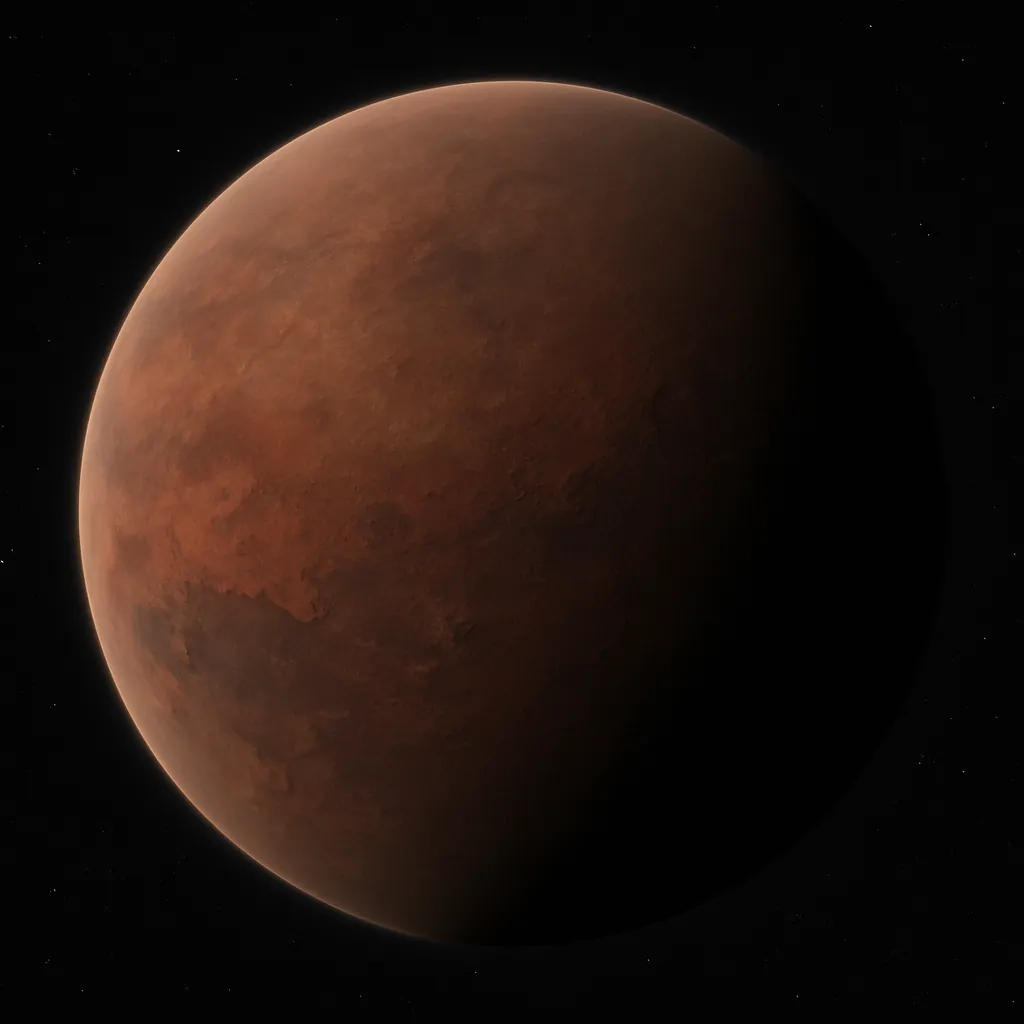
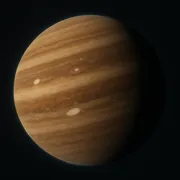
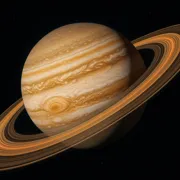
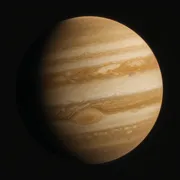
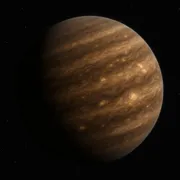
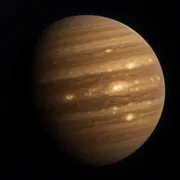
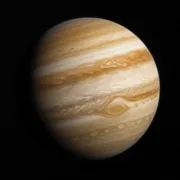
NFT token detail for exoplanet 47 UMa b. Only at exoplanetary.systems
47 UMa b is a gas_giant exoplanet discovered in 1996
using the Radial Velocity method at Lick Observatory. The 3.0 m C. Donald Shane Telescope
was employed with the instruments of the Hamilton Echelle Spectrograph.
47 UMa b
FOR_SALE
Discovery Details
World type: gas_giant
Discovery method: Radial Velocity
Discovery year: 1996
Facility: Lick Observatory
Instrument: Hamilton Echelle Spectrograph
Telescope: 3.0 m C. Donald Shane Telescope
More Gas Giant worlds you might consider for your collection.
Meet 47 Ursae Majoris b, a giant planet orbiting the star 47 Ursae Majoris, which sits some 46 light-years away from our cozy solar system. Discovered back in 1996 thanks to the skillful observations with the Hamilton Echelle Spectrograph at Lick Observatory, this exoplanet was one of the first big cosmic finds using the radial velocity method—a clever technique that detects wobbling stars caused by orbiting planets. Imagine a world much larger than Jupiter, circling its sun at a comfortable distance, likely too chilly for beach vacations but perfect for space explorers seeking giant gas planets. It’s a stellar neighbor we’re just starting to know, proving that our galaxy is packed with fascinating worlds beyond our imagination!